


20 Questions to Ask Before Hiring an Interior Designer
A Luxury Home Guide
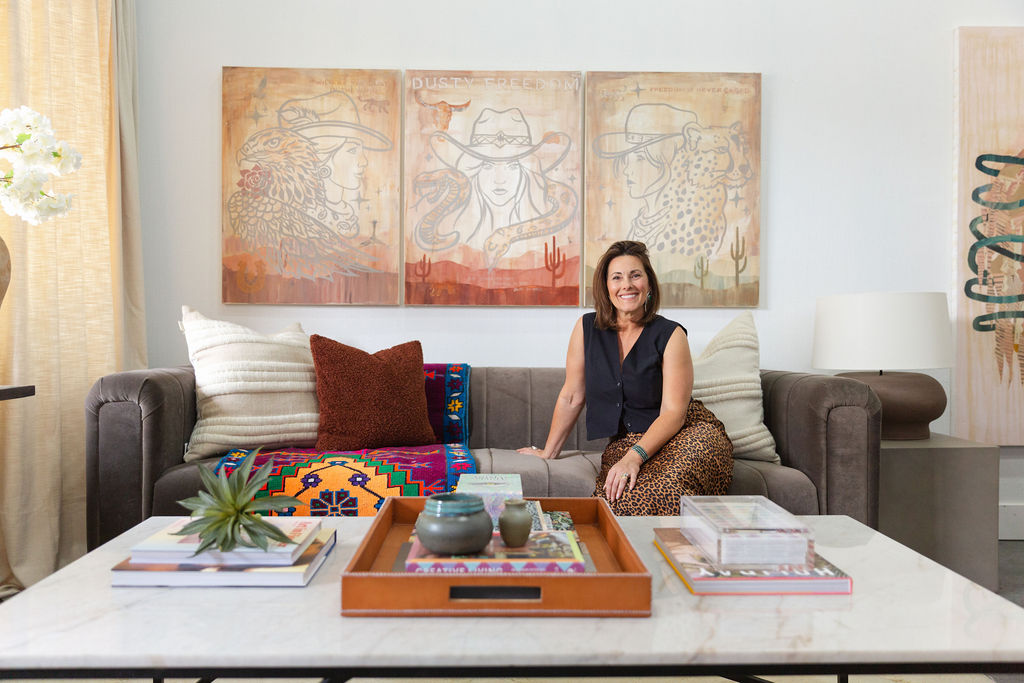
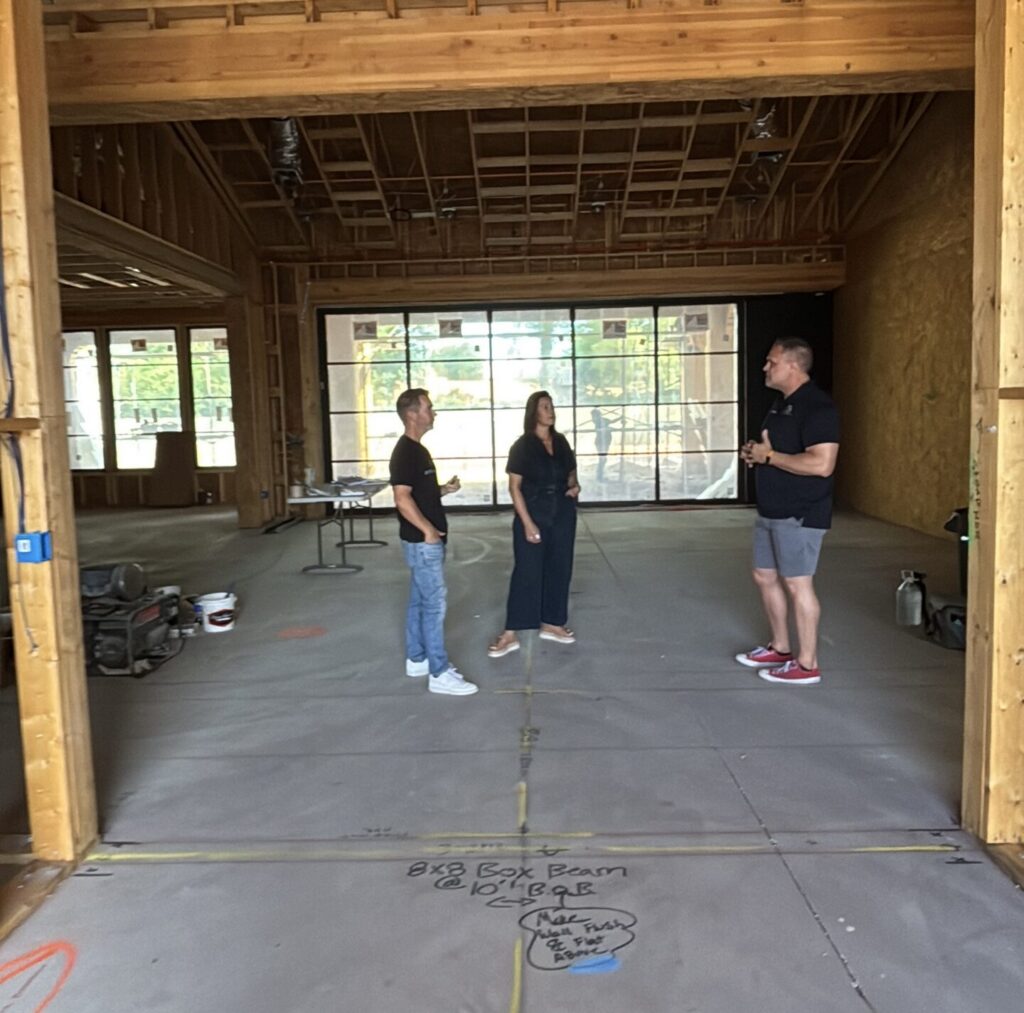
When should I hire an interior designer when building a home?
Hiring an interior designer should happen ASAP. Before the architect finishes drawings.
The biggest missed opportunity in new construction is bringing a designer in after decisions are already locked. We shape how the home lives—flow, light, materiality, and experience—not just how it looks. The earlier we’re involved, the more aligned, efficient, and elevated the outcome becomes.
What does an interior designer actually do during new construction?
We design the life inside the architecture.
That includes:
- Spatial flow and functionality
- Material and finish direction
- Custom cabinetry and millwork design
- Lighting strategy (this is everything)
- Plumbing fixtures, hardware, and surfaces
- Furnishings, styling, and final installation
We’re not selecting pillows—we’re shaping how your home feels every single day.
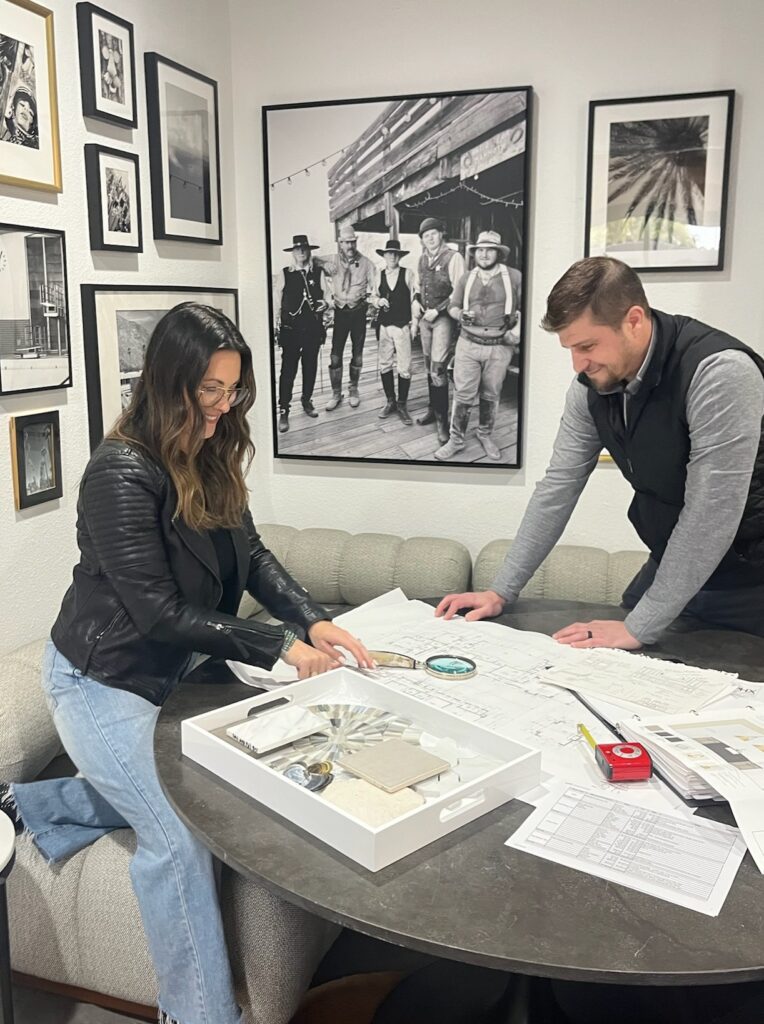
How much does luxury interior design cost?
Luxury design is an investment, not a line item.
Most full-service projects range from 10–20% of total project cost, depending on scope.
But the real question is:
What does it cost you to get it wrong?
Design mistakes in construction are expensive, permanent, and often invisible until it’s too late.
Is hiring an interior designer worth it?
If you value your time, your investment, and how your home feels—yes.
We:
- Prevent costly mistakes
- Streamline thousands of decisions
- Increase resale value
- Elevate daily life
How early should a designer be involved in a project?
As early as possible. Always.
We collaborate with architects and builders to ensure the home is cohesive from the inside out—not retrofitted later.
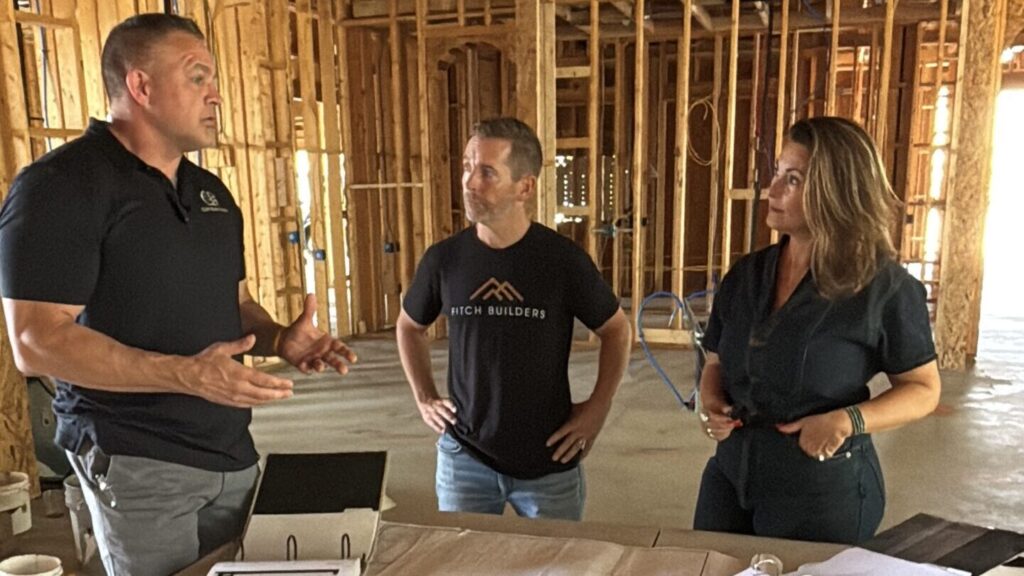
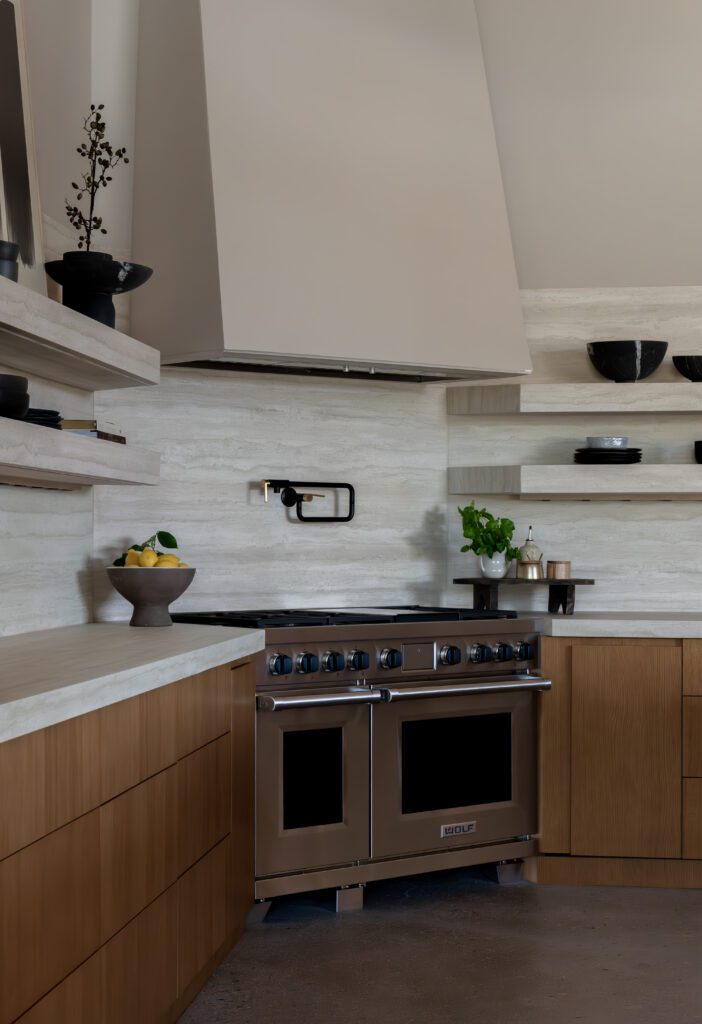
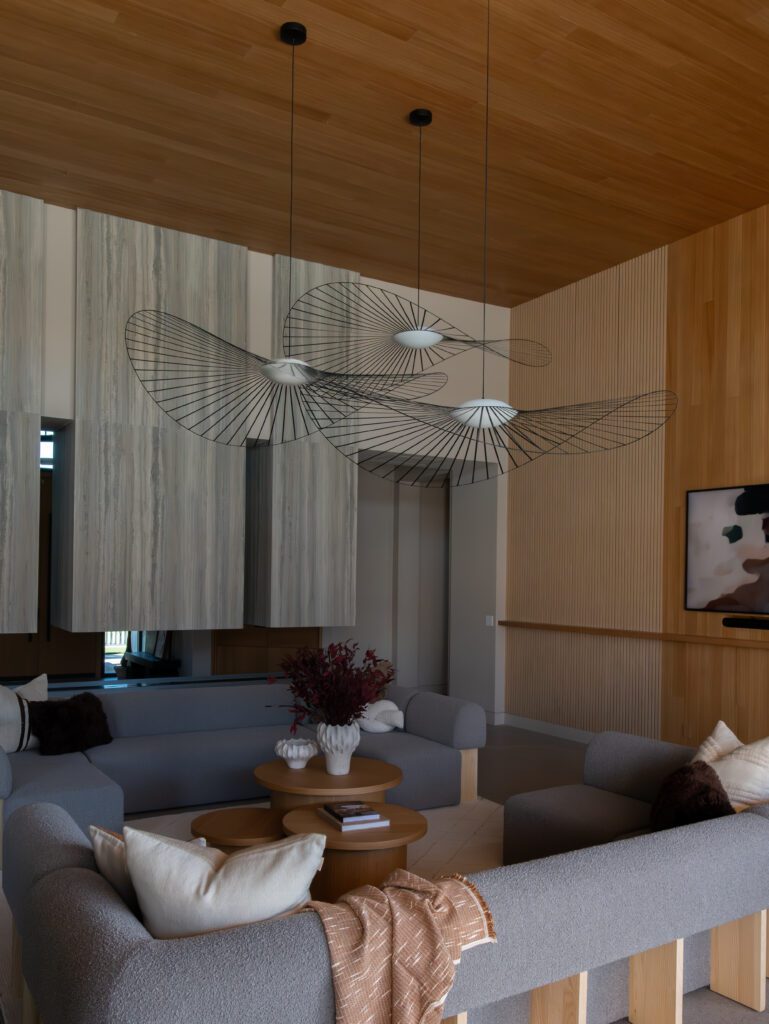
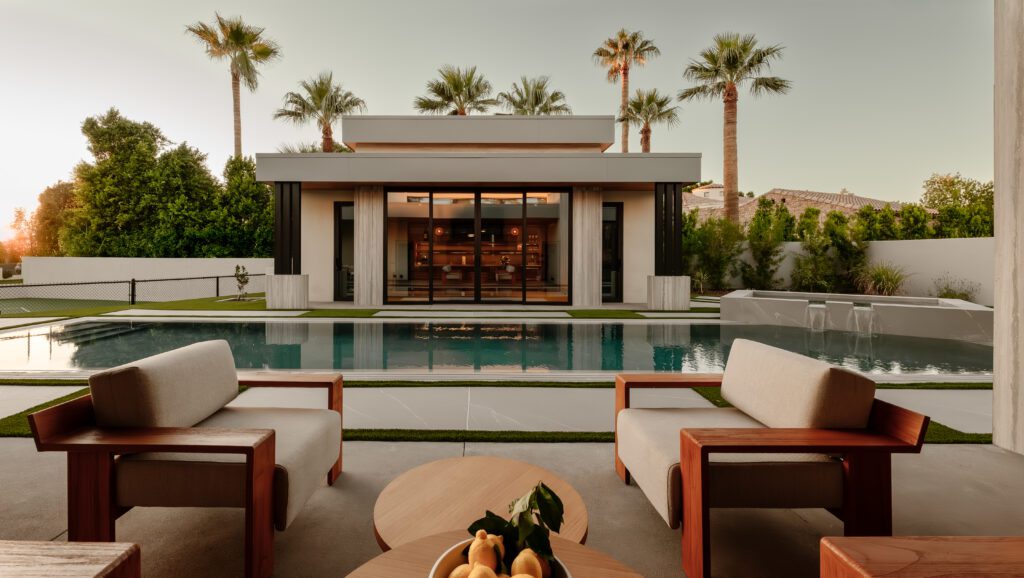
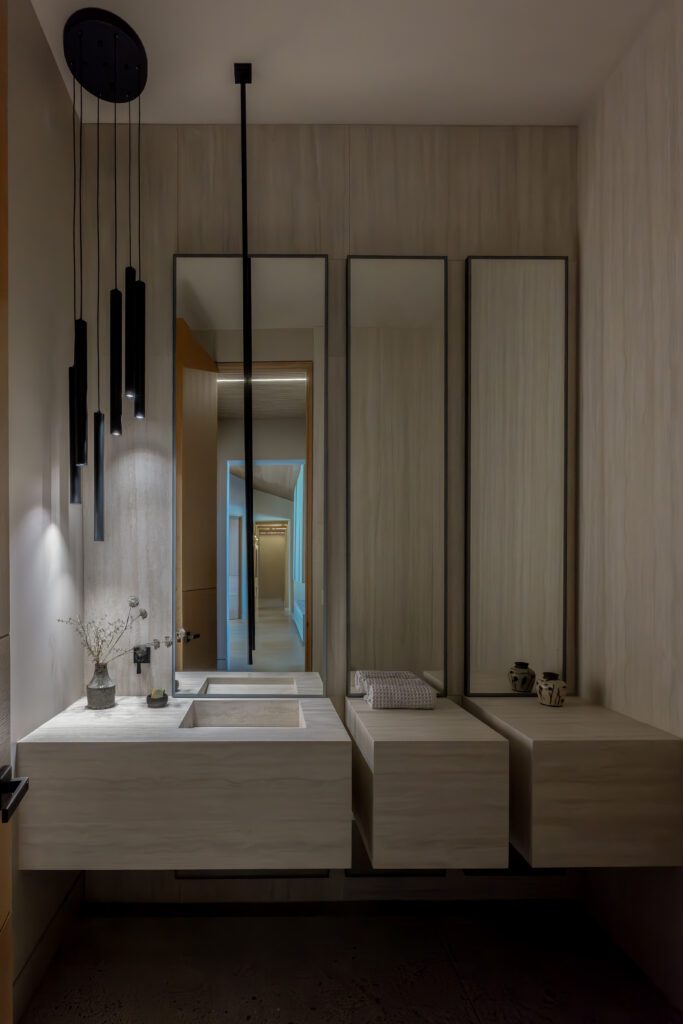
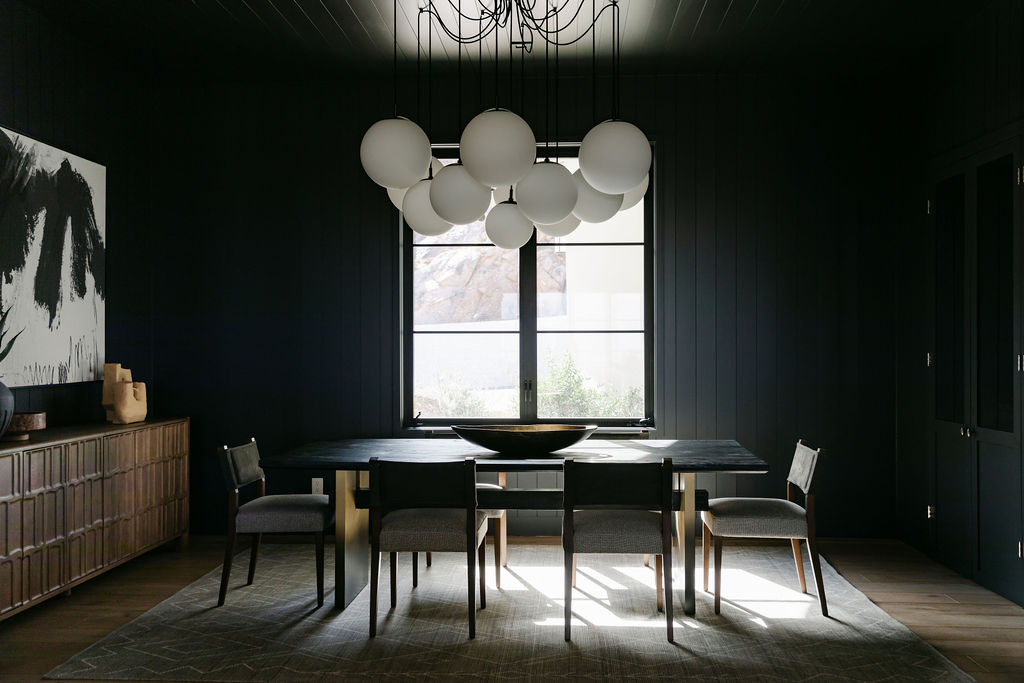
Architect: Cory Black Design
Builder: Fitch Builders
Interior Designer: Smyth House
What is the difference between an interior designer and an interior decorator?
- Interior Designer: Works on structure, space planning, materials, and construction-level decisions
- Interior Decorator: Focuses on furnishings and aesthetics
One shapes the bones. The other dresses them. At Smyth House, we do both—seamlessly.
How do I choose to hire the right interior designer?
Look beyond the portfolio.
Ask:
- Do they understand how I want to live?
- Can they lead the process confidently?
- Do I trust their point of view?
You’re not hiring taste—you’re hiring vision and execution.
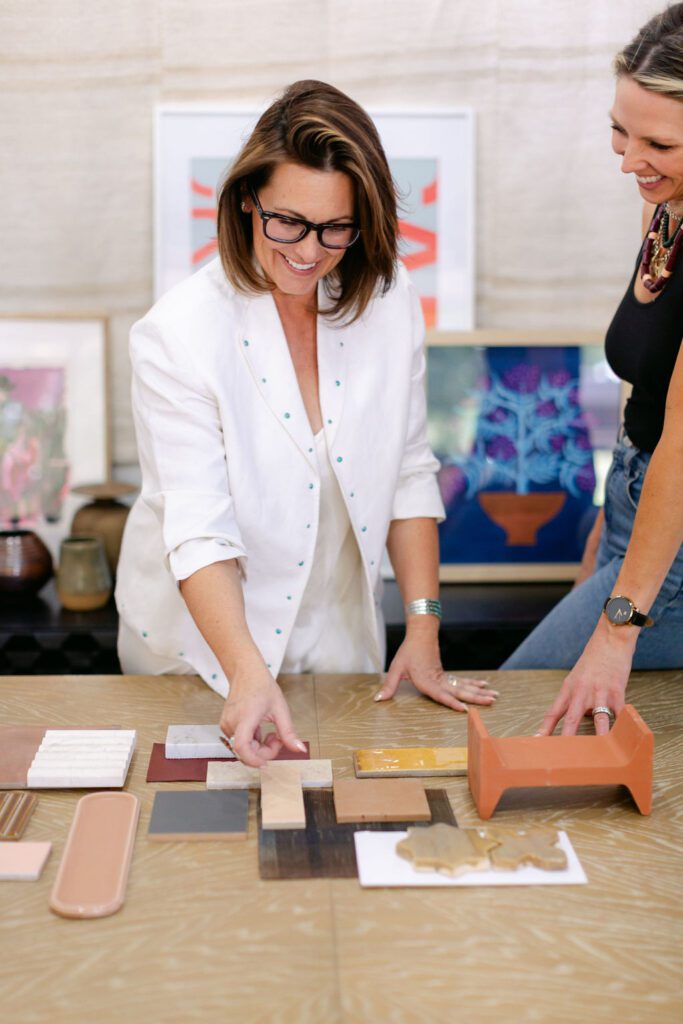
What should I expect when hiring an interior designer?
Clarity, structure, and momentum.
Our proven design process removes the guesswork and stress from property development. With transparent communication, meticulous planning, and white-glove execution, we empower investors and home owners to stay focused on strategy while we elevate every detail of design. You stay invested in great design—without lifting a finger.
We guide you through decisions you didn’t even know needed to be made—and make them feel effortless.
How long does an interior design project take?
- New construction: 12–24 months
- Large renovation: 6–18 months
Luxury takes time—because intention takes time.
Can an interior designer help increase home value?
Absolutely.
Design impacts:
- Buyer perception
- Market differentiation
- Sale price
A well-designed home doesn’t just sell—it commands attention and premium returns.
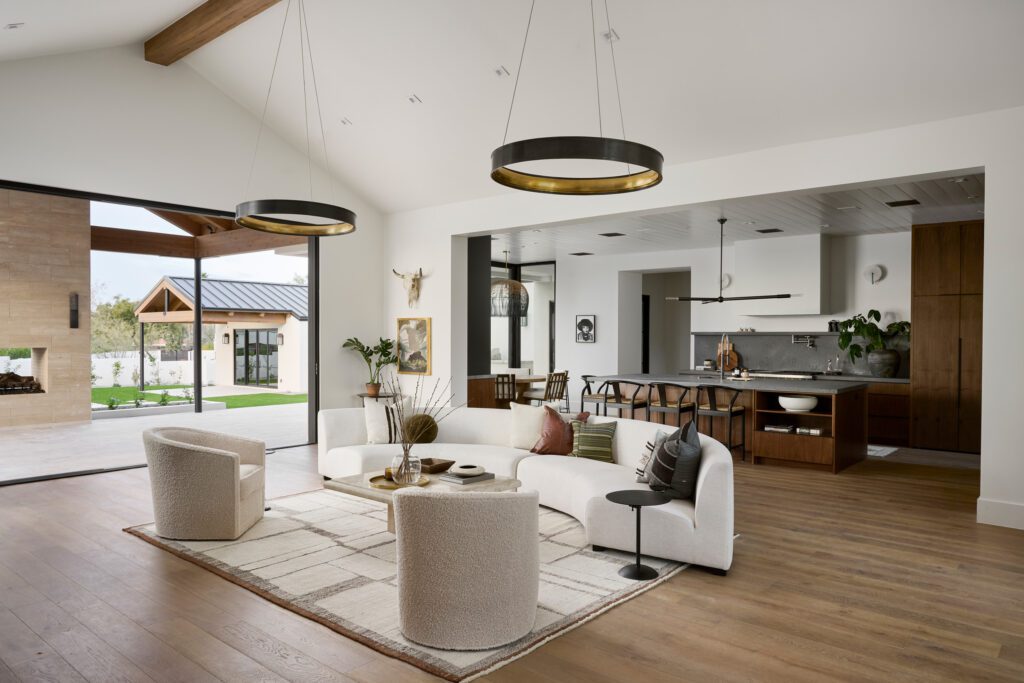
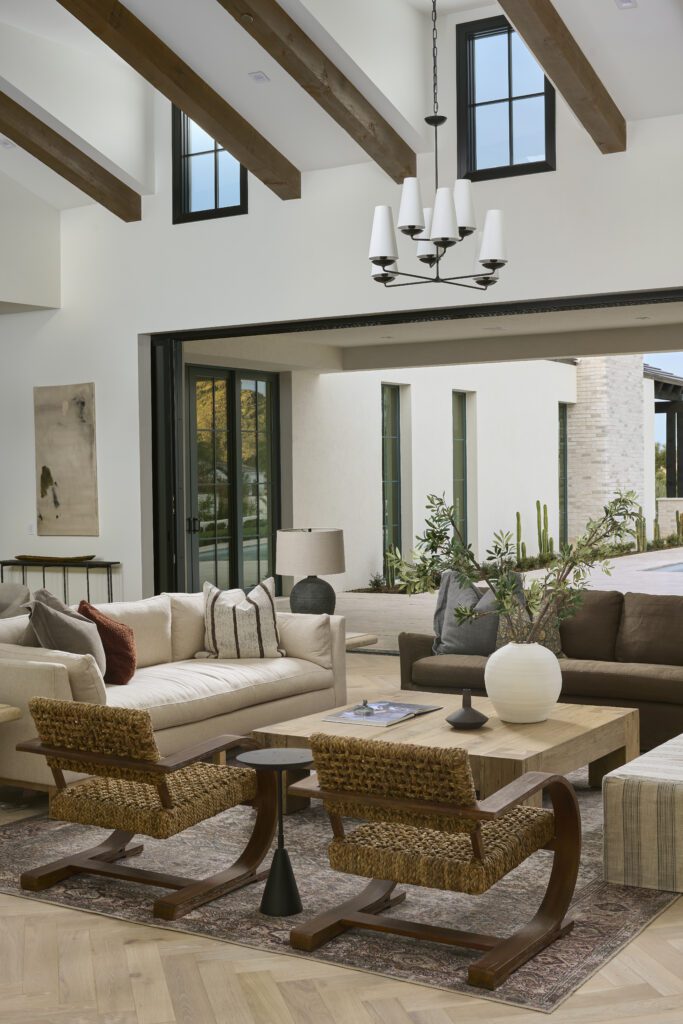
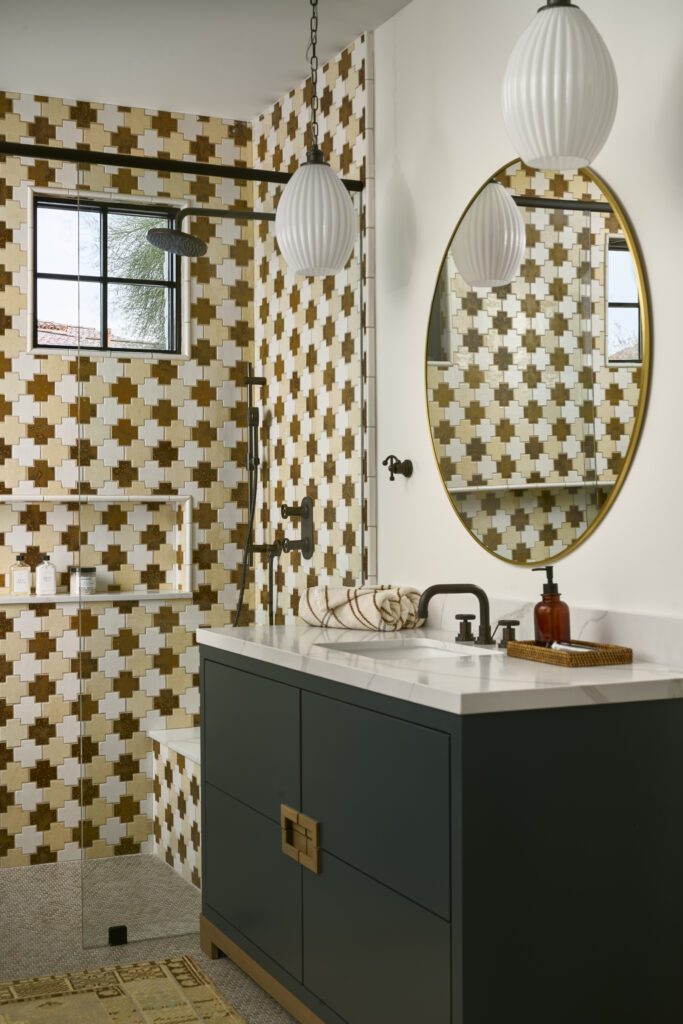
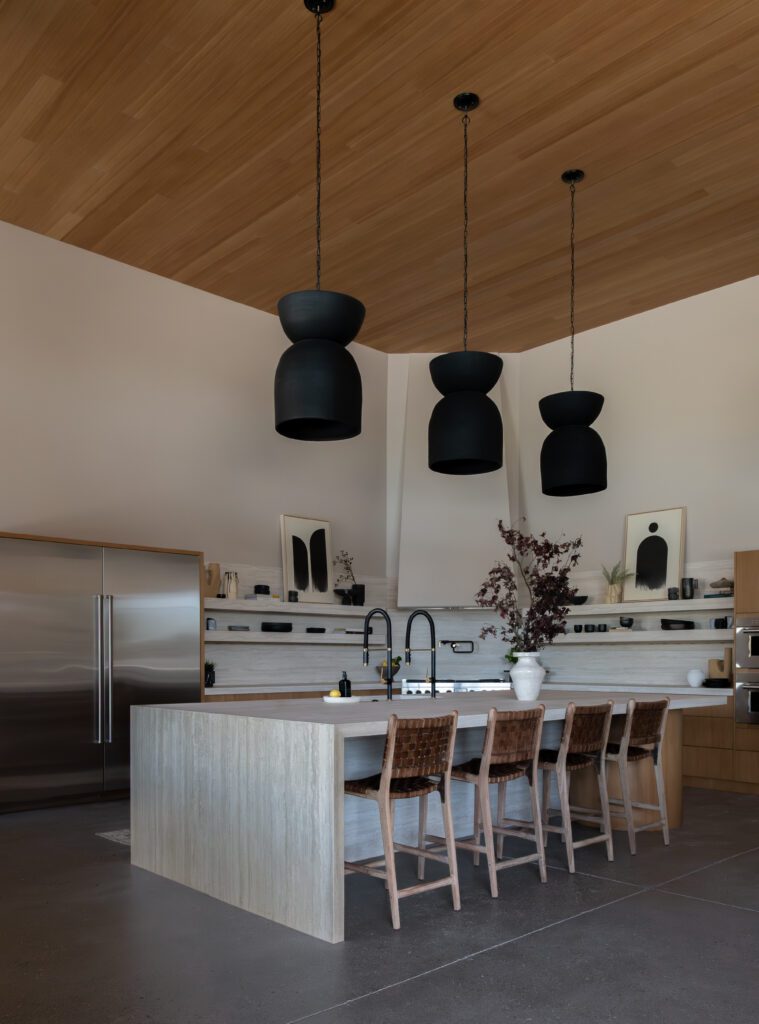
How do designers create a cohesive home?
We design from a central vision—not room by room.
Every decision connects:
- Materials speak to each other
- Colors flow intentionally
- Sightlines are considered
Cohesion isn’t repetition—it’s rhythm.
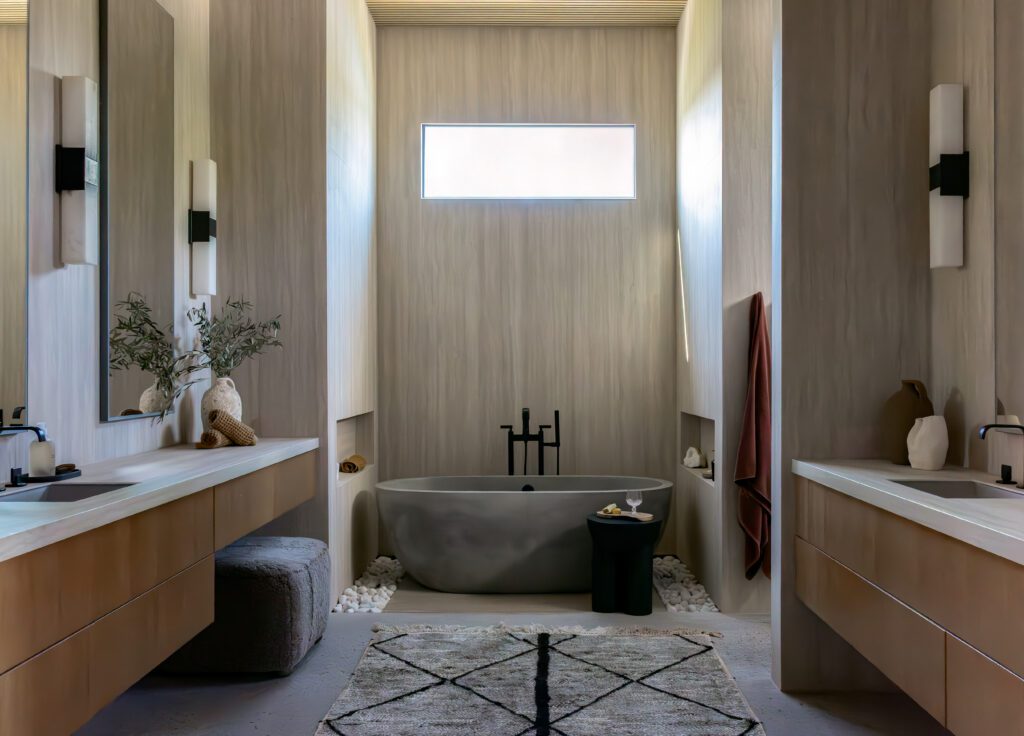
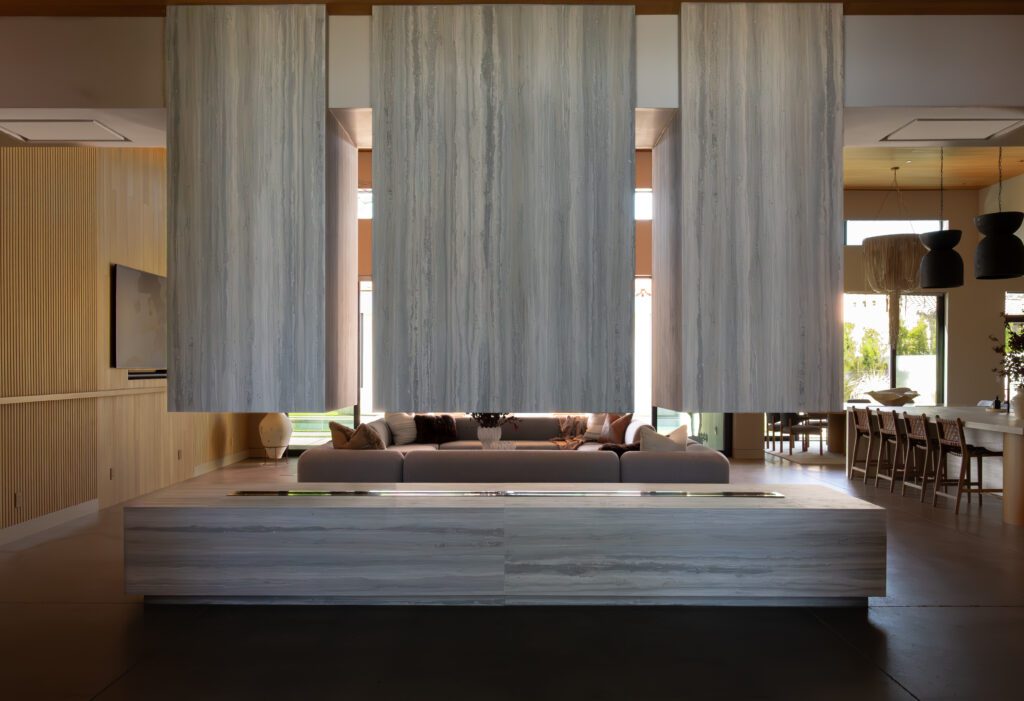
What makes a home feel luxurious?
It’s not price—it’s restraint and intention.
Luxury feels like:
- Thoughtful scale and proportion
- Layered materials
- Quiet confidence (nothing trying too hard)
- Effortless functionality
It’s the feeling you can’t quite explain—but instantly recognize.
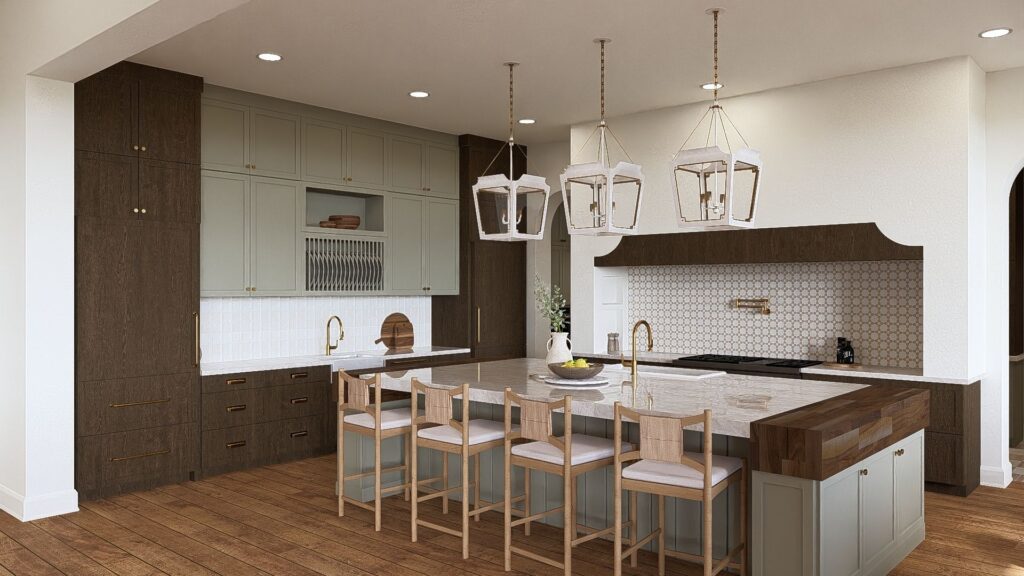
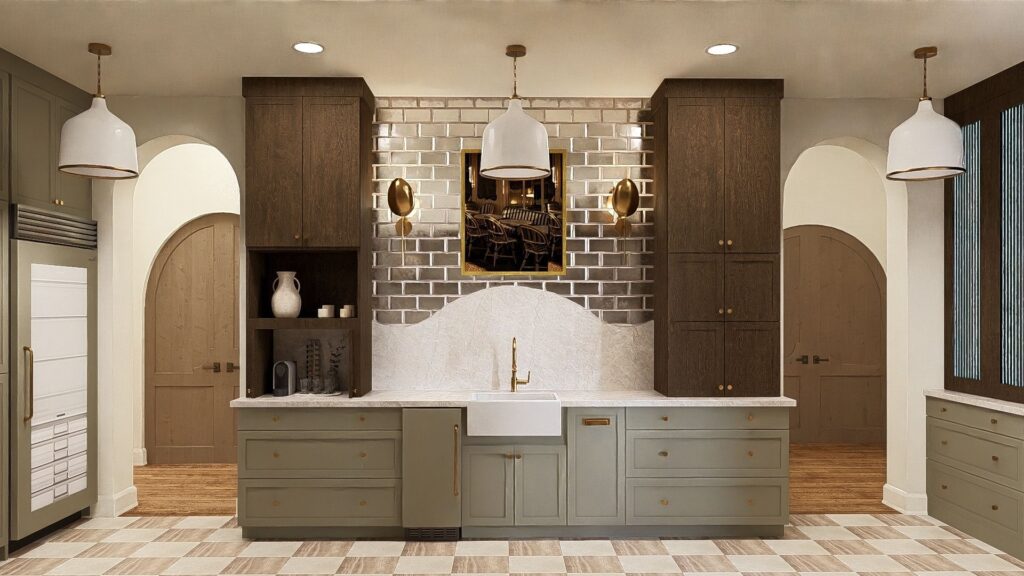
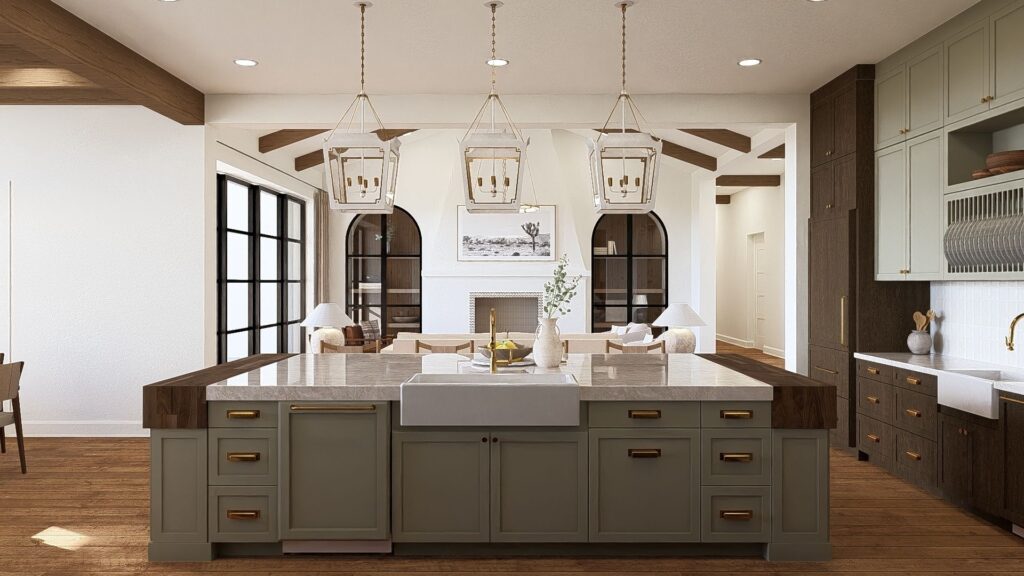
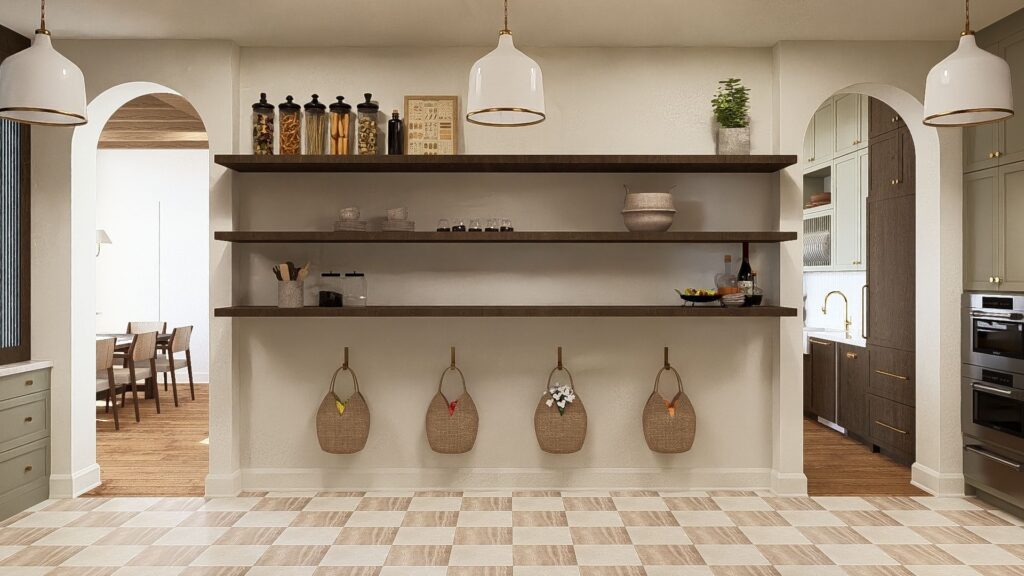
Why do designer homes feel different than decorated homes?
Because they’re designed holistically.
A decorated home is styled.
A designed home is considered.
From how you move through it… to how light hits a surface at 4pm—it’s all intentional.
How do designers choose materials that age well?
We prioritize:
- Natural materials (stone, wood, metals)
- Patina over perfection
- Longevity over trend
The goal isn’t to stay “current”—it’s to become better over time.
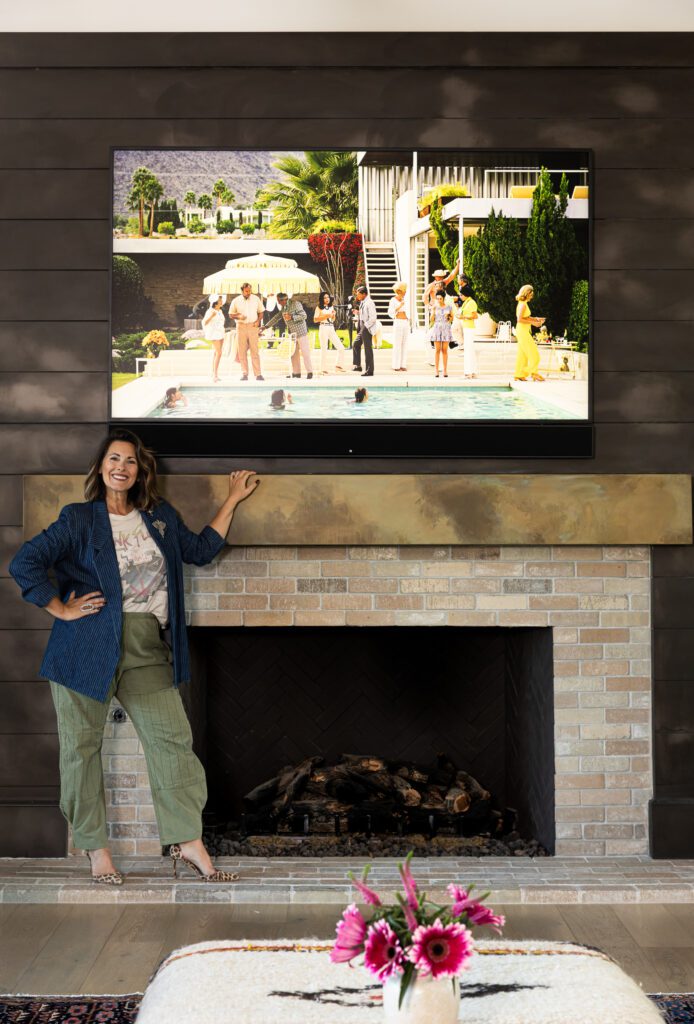
How do you mix timeless design with personality?
Timeless = foundation
Personality = expression
We anchor the home in restraint, then layer in moments of boldness, artistry, and individuality.
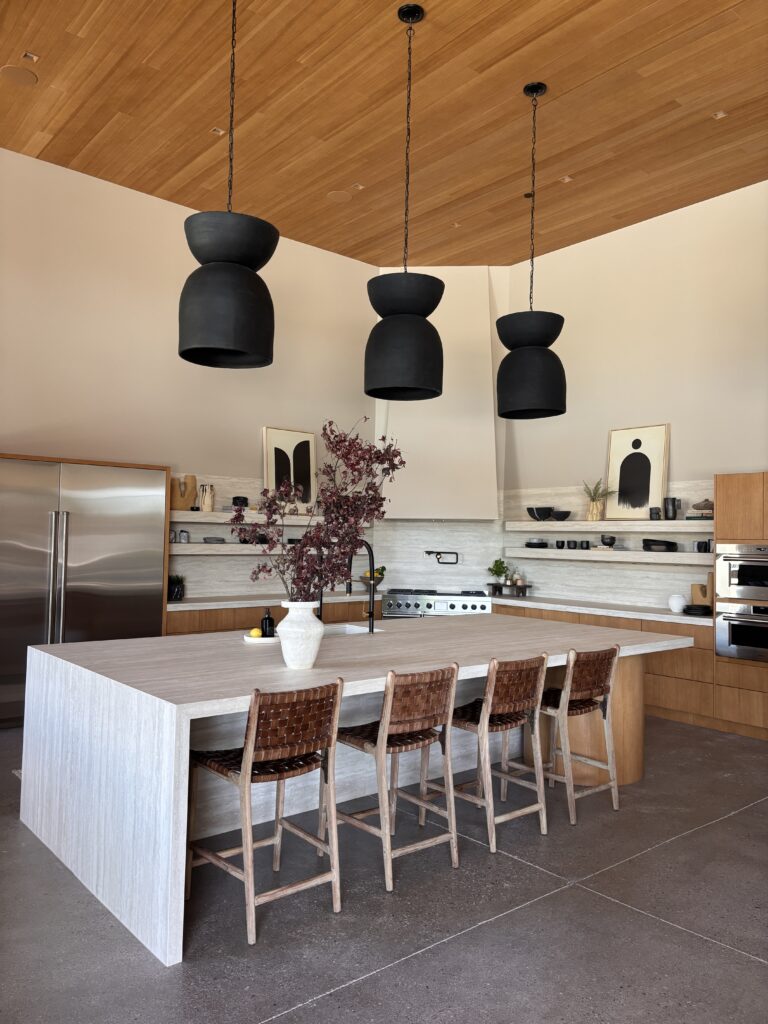
What are must-have features in a luxury home?
- Layered lighting (architectural + decorative)
- Indoor-outdoor flow
- Thoughtful storage
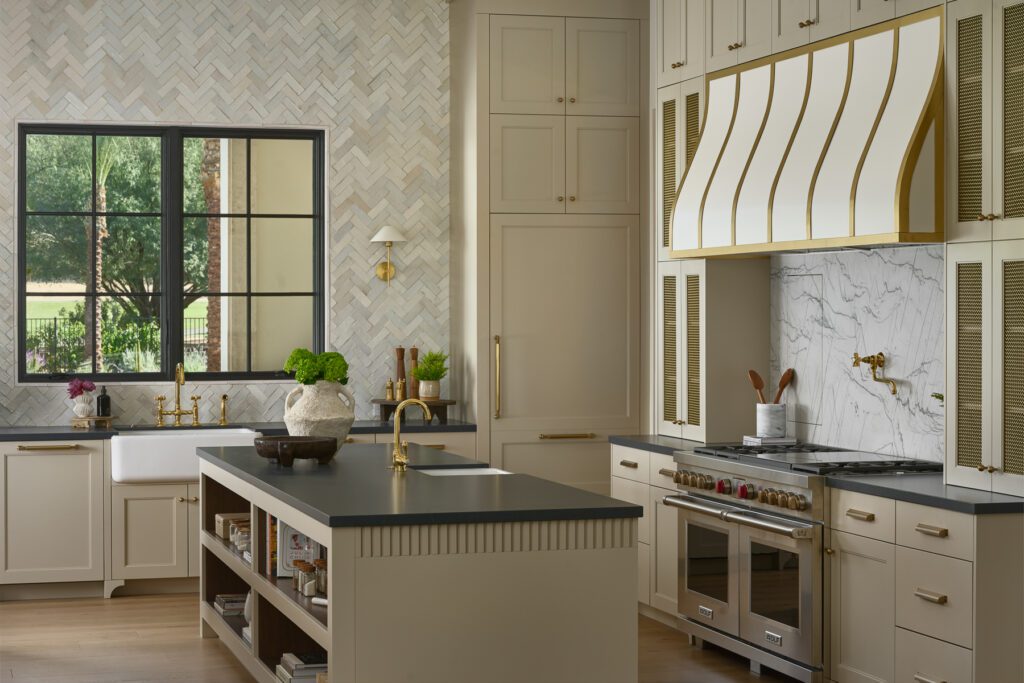
- Elevated kitchen + secondary prep kitchen
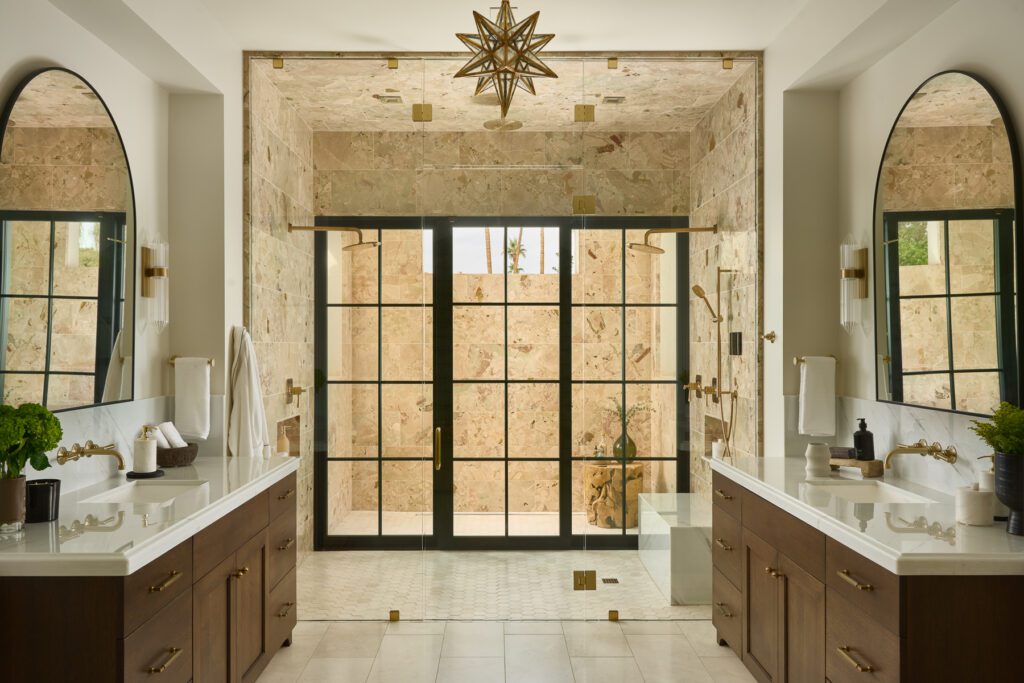
- Spa-level primary bath
Luxury is about how the home functions, not just how it looks.
What design details make a home feel expensive?
- Custom millwork
- Integrated lighting
- Seamless material transitions
- Hardware that feels substantial
- Perfect proportions
It’s never one big thing—it’s a thousand small, intentional ones.
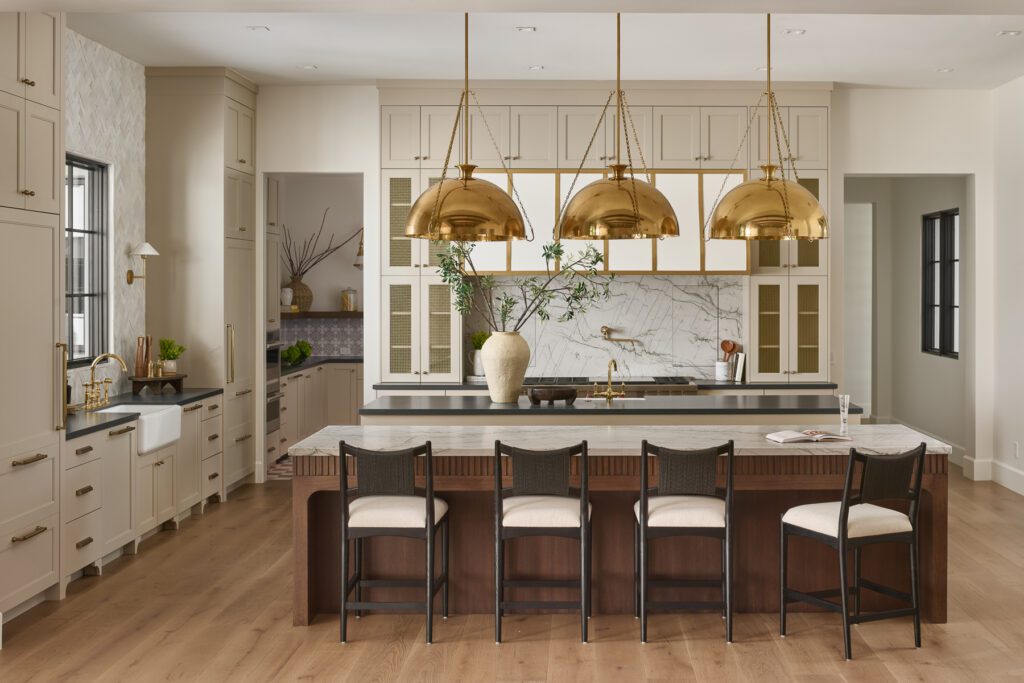
What rooms add the most value to a home?
- Kitchen
- Primary suite
- Living spaces
But more importantly:
How those spaces connect.
What are common mistakes when building a luxury home?
- Waiting too long to hire a designer
- Overcomplicating the design
- Ignoring lighting
- Choosing trends over longevity
And the biggest one:
Designing for resale instead of how you actually live.
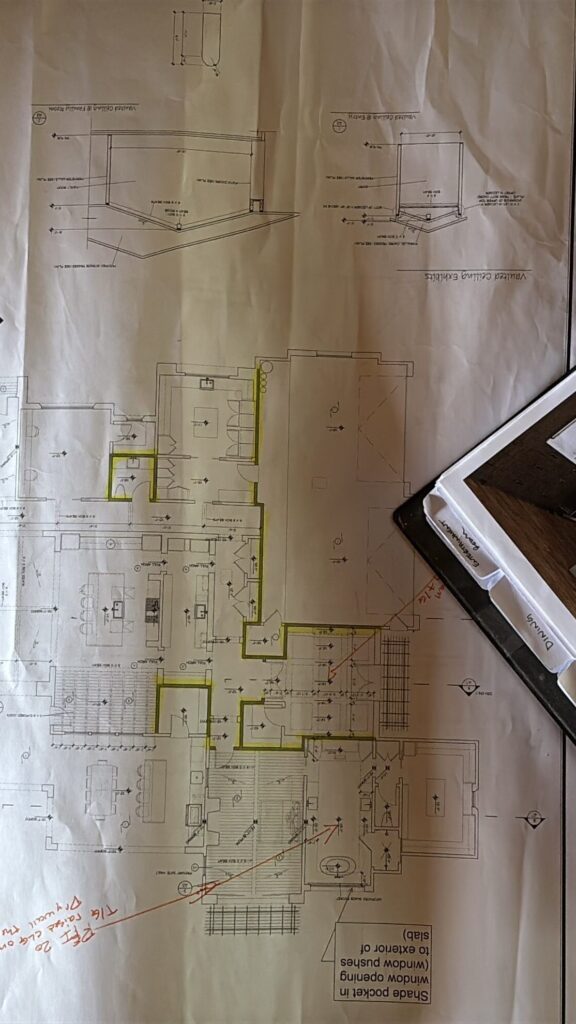
What are the most important design decisions in new construction?
- Floor plan and flow
- Window placement and natural light
- Material palette
- Ceiling details
- Lighting plan
These decisions define everything that follows.
Where should I invest when remodeling my home?
Invest in:
- Kitchens
- Bathrooms
- Flooring
- Lighting
These are high-impact, high-return areas.
What upgrades increase home value the most?
- Kitchen renovations
- Primary bath upgrades
- Energy-efficient systems
- Cohesive design throughout
Consistency is what drives value—not isolated upgrades.
How do designers approach remodeling differently than contractors?
Contractors build. Designers envision, then direct.
We look at:
- The entire experience
- Long-term value
- Aesthetic + functional alignment
We ensure the result isn’t just complete—it’s exceptional.
How is designing a second home different from a primary home?
It’s about ease and experience.
Less maintenance.
More durability.
Designed for how you want to feel when you arrive.
What materials work best for vacation homes?
- Performance fabrics
- Durable stone
- Engineered woods
- Indoor-outdoor materials
Beautiful—but resilient.
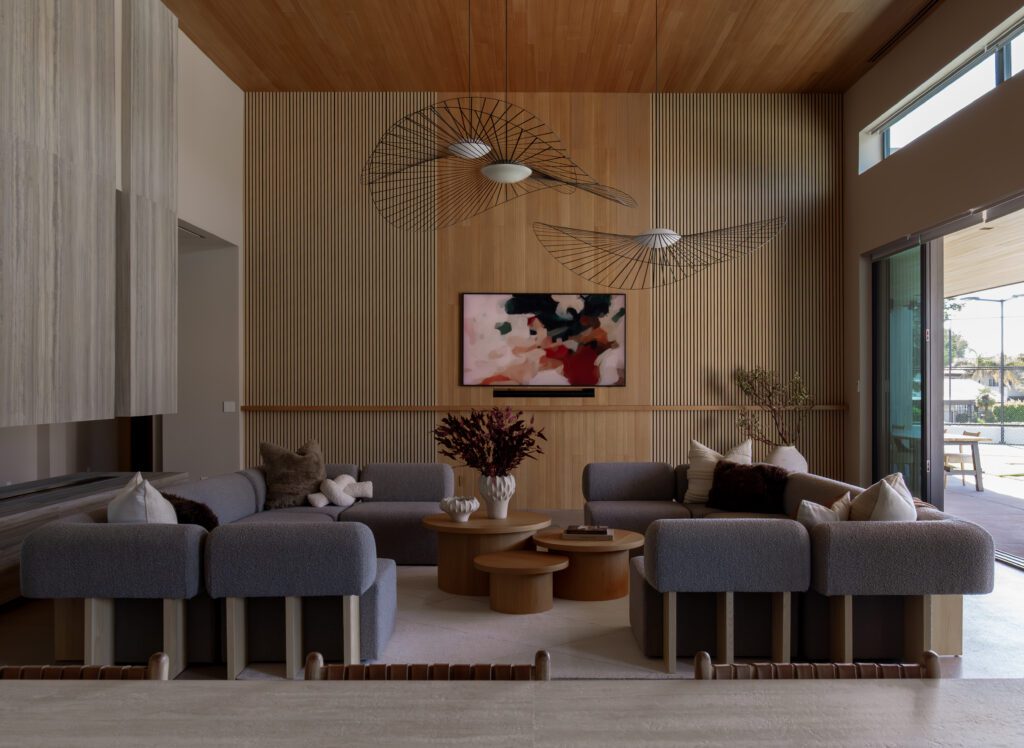
How do you design a home for hosting guests?
We design for flow:
- Multiple gathering zones
- Private retreats
- Seamless entertaining spaces
A great host home feels effortless—for everyone.
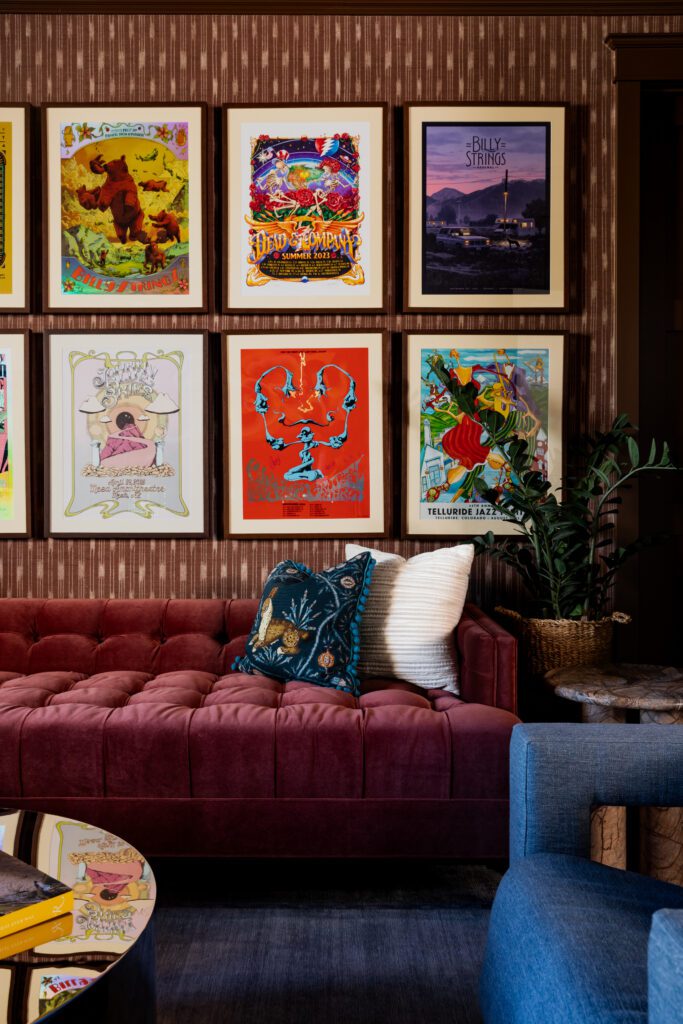
What is one design rule you always break?
“Everything has to match.”
The best spaces have tension.
What design trend do you wish would go away?
Overly themed spaces.
Your home isn’t a concept—it’s a reflection of a life.
What is one feature every luxury home should have?
A moment that stops you.
A space, a view, a detail—something unforgettable.
What is the biggest design mistake homeowners make?
Trying to do it all themselves—while making high-stakes, permanent decisions.
Your home deserves more than guesswork.
At Smyth House, we don’t just design homes—we create environments that elevate how you live, feel, and invest.
If you’re building, renovating, or simply ready for something more intentional—this is where it begins.
→ Explore our portfolio
→ Read more on the Journal
→ Shop the Atelier
→ Interior Designer, Phoenix, AZ
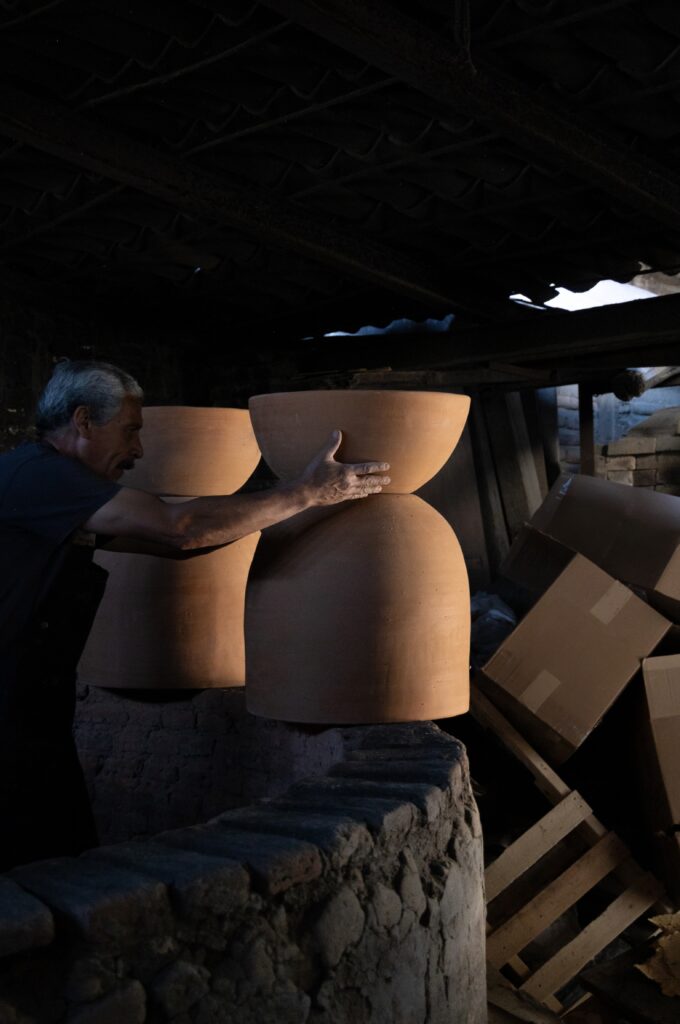
PALO SANTO x SMYTH HOUSE COLLABORATION
Introducing, Copal Barro Pendant Collection.
A collection inspired by warmth, ritual, and the quiet magic of good lighting.
May 5, 2026


Comments